
Published: January 16, 2026
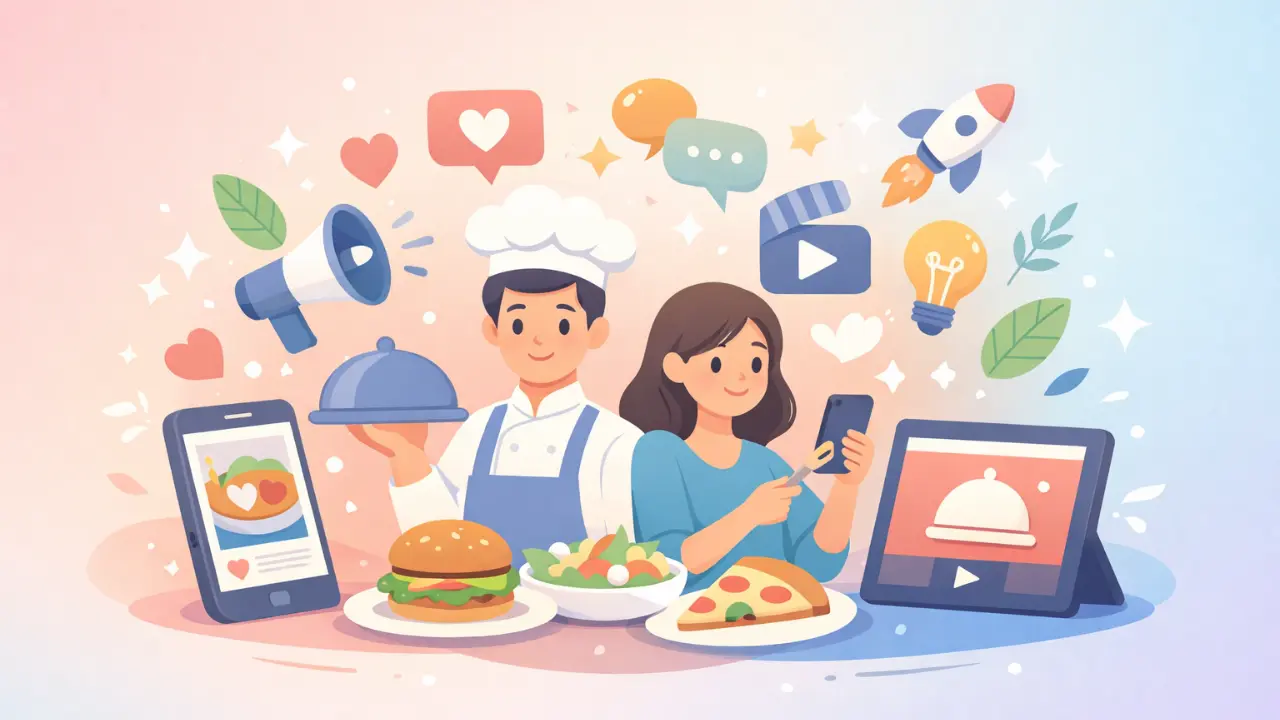
Social media has become an essential marketing tool for restaurants. In 2026, having a strong social media presence isn't optional—it's crucial for attracting customers, building brand awareness, and driving foot traffic. With billions of users scrolling through platforms daily, social media offers restaurants an unprecedented opportunity to showcase their food, tell their story, and connect with customers.
This comprehensive guide covers everything you need to know about restaurant social media marketing in 2026. We'll explore the latest trends, help you choose the right platforms, provide proven content ideas, and share strategies to maximize your social media ROI.
Table of Contents
- Introduction: Why Social Media Matters for Restaurants
- 1. Social Media Trends for Restaurants in 2026
- 2. Best Social Media Platforms for Restaurants
- 3. Content Ideas That Drive Engagement
- 4. Building Your Social Media Strategy
- 5. Growing Engagement and Building Community
- 6. Social Media Advertising for Restaurants
- 7. Measuring Success and Analytics
- 8. Best Practices and Common Mistakes
- Frequently Asked Questions
- Conclusion
Introduction: Why Social Media Matters for Restaurants
Social media has transformed how restaurants market themselves and connect with customers. In 2026, the impact is more significant than ever:
- Customer Discovery: 78% of diners discover new restaurants through social media
- Visual Appeal: Food is inherently visual—social media is the perfect showcase
- Direct Communication: Build relationships and respond to customers in real-time
- Cost-Effective Marketing: Reach thousands of potential customers with minimal investment
- Social Proof: Reviews, shares, and user-generated content build trust
- Targeted Advertising: Reach specific demographics and locations precisely
Restaurants that ignore social media are missing out on a massive opportunity to grow their business. Whether you're a small café or a fine dining establishment, social media can help you reach new customers, retain existing ones, and build a strong brand presence.
1. Social Media Trends for Restaurants in 2026
Stay ahead of the curve by understanding the latest social media trends shaping restaurant marketing in 2026.
1.1 Short-Form Video Content
What it is: Bite-sized videos (15-60 seconds) that capture attention quickly
Why it matters: Short-form videos get 3x more engagement than static posts. Platforms like TikTok, Instagram Reels, and YouTube Shorts prioritize this content.
Restaurant applications:
- Behind-the-scenes kitchen prep videos
- Quick recipe tutorials or cooking tips
- Time-lapse of dish preparation
- Staff introductions and personality showcases
- Customer testimonials and reactions
1.2 Authentic User-Generated Content (UGC)
What it is: Content created by customers featuring your restaurant
Why it matters: UGC is 2.4x more likely to be viewed and shared than brand-created content. It builds trust and authenticity.
How to encourage it:
- Create branded hashtags and encourage customers to use them
- Run contests and giveaways for best food photos
- Feature customer posts on your profile
- Offer discounts for customers who tag you
- Create Instagram-worthy dishes and presentation
1.3 Live Streaming and Real-Time Engagement
What it is: Live video broadcasts on Instagram, Facebook, TikTok, or YouTube
Why it matters: Live content gets 6x more engagement than pre-recorded videos. It creates urgency and real-time connection.
Restaurant ideas:
- Live cooking demonstrations
- Q&A sessions with the chef
- Behind-the-scenes kitchen tours
- Special event coverage (launches, anniversaries)
- Interactive menu tastings
1.4 AI-Powered Personalization
What it is: Using artificial intelligence to personalize content and recommendations
Why it matters: Personalized content increases engagement by 80%. AI helps you understand what your audience wants.
Applications:
- Chatbots for instant customer service
- Personalized menu recommendations based on preferences
- AI-generated captions and hashtags
- Optimal posting time recommendations
- Content performance predictions
1.5 Sustainability and Social Responsibility
What it is: Showcasing eco-friendly practices and community involvement
Why it matters: 73% of consumers prefer brands that are socially responsible. Millennials and Gen Z especially value sustainability.
Content ideas:
- Local sourcing and farm partnerships
- Zero-waste kitchen initiatives
- Community charity events and donations
- Eco-friendly packaging and practices
- Staff volunteer work and community involvement
1.6 Interactive Content and Polls
What it is: Content that requires audience participation (polls, quizzes, questions)
Why it matters: Interactive posts get 2x more engagement. They make your audience feel involved and heard.
Examples: Menu item polls, "Which dish should we add?" questions, recipe preference quizzes, "Rate our new dish" stickers on Instagram Stories.
2. Best Social Media Platforms for Restaurants
Not all social media platforms are created equal for restaurants. Here's a breakdown of the best platforms and how to use them effectively.
2.1 Instagram
Why it's essential: Instagram is the #1 platform for food content. 90% of users follow at least one business, and food posts get the highest engagement.
Best for: Visual storytelling, food photography, behind-the-scenes content, Stories, Reels
Key features to use:
- Instagram Reels: Short videos (up to 90 seconds) for cooking demos, quick tips, trending content
- Instagram Stories: Daily updates, behind-the-scenes, polls, Q&A, limited-time offers
- Instagram Posts: High-quality food photos, menu highlights, customer features
- Instagram Shopping: Tag products, link to online ordering or delivery
- Location Tags: Help local customers find you
Posting frequency: 1-2 posts per day, 2-3 Stories per day, 3-5 Reels per week
2.2 Facebook
Why it's important: Facebook has the largest user base (3+ billion) and powerful advertising tools. Great for building community and local reach.
Best for: Community building, events, reviews, local advertising, longer-form content
Key features:
- Facebook Page: Your business hub with menu, hours, reviews, contact info
- Facebook Events: Promote special events, launches, live music
- Facebook Groups: Build a community of loyal customers
- Facebook Live: Real-time engagement, cooking demos, Q&A
- Facebook Ads: Highly targeted local advertising
Posting frequency: 3-5 posts per week
2.3 TikTok
Why it's growing: TikTok has 1+ billion users, especially popular with Gen Z and Millennials. Algorithm favors engaging content regardless of follower count.
Best for: Viral content, trends, quick cooking videos, behind-the-scenes, humor
Content ideas:
- Quick recipe tutorials (15-60 seconds)
- Trending audio challenges with food
- "Day in the life" of a chef
- Food preparation time-lapses
- Funny kitchen moments and bloopers
- "POV: You're ordering at our restaurant"
Posting frequency: 1-3 videos per day for best results
2.4 YouTube
Why it's valuable: YouTube is the second-largest search engine. Great for long-form content, SEO, and building authority.
Best for: Recipe tutorials, cooking classes, restaurant tours, chef interviews, educational content
Content types:
- Full recipe tutorials (5-15 minutes)
- Restaurant kitchen tours
- Chef interviews and stories
- Cooking tips and techniques
- Menu item deep-dives
- YouTube Shorts (under 60 seconds)
Posting frequency: 1-2 videos per week
2.5 X (Twitter)
Why it's useful: Real-time updates, customer service, trending topics, local community engagement
Best for: Quick updates, customer service, responding to reviews, local events, news
Posting frequency: 3-5 tweets per day
2.6 LinkedIn
Why it matters: B2B opportunities, catering to businesses, professional networking, thought leadership
Best for: Corporate catering, business partnerships, industry insights, staff highlights, sustainability initiatives
Posting frequency: 2-3 posts per week
3. Content Ideas That Drive Engagement
Creating engaging content is the key to social media success. Here are proven content ideas that work for restaurants:
3.1 Food Photography
Why it works: Food is visual—great photography makes people hungry and drives visits.
Tips for great food photos:
- Use natural lighting whenever possible
- Shoot from above (flat lay) or at 45-degree angle
- Include props: utensils, napkins, ingredients
- Show steam, texture, and freshness
- Use consistent color palette and editing style
- Show the dish in context (on table, with drinks)
3.2 Behind-the-Scenes Content
Why it works: People love seeing the human side of your restaurant. It builds connection and authenticity.
Content ideas:
- Chef preparing signature dishes
- Kitchen prep and organization
- Staff introductions and stories
- Morning setup routines
- Ingredient sourcing trips
- Team meetings and training
3.3 Recipe Content
Why it works: Educational content builds authority and provides value. People save and share recipes.
Formats:
- Quick recipe videos (Reels, TikTok, Shorts)
- Step-by-step photo carousels
- Full recipe tutorials on YouTube
- Recipe cards in Stories
- "How to make our signature dish" content
3.4 Customer Spotlights
Why it works: Social proof is powerful. Featuring customers builds community and encourages others to visit.
Ideas:
- Repost customer photos (with permission)
- Customer testimonials and reviews
- "Regular of the month" features
- Birthday celebrations and special occasions
- Customer stories and connections
3.5 Menu Highlights
Why it works: Showcase your best dishes and help customers decide what to order.
Content types:
- "Dish of the day" features
- New menu item launches
- Seasonal specials
- Chef's recommendations
- Menu item descriptions with stories
3.6 Special Offers and Promotions
Why it works: Creates urgency and drives immediate action.
Ideas:
- Happy hour specials
- Limited-time menu items
- Social media exclusive discounts
- Birthday freebies
- Check-in offers
3.7 Educational Content
Why it works: Provides value beyond just promoting your restaurant. Builds trust and authority.
Topics:
- Cooking tips and techniques
- Ingredient knowledge (spices, herbs, etc.)
- Food pairing suggestions
- Nutrition information
- Cultural food stories
4. Building Your Social Media Strategy
A successful social media presence requires a well-thought-out strategy. Here's how to build one:
4.1 Define Your Goals
Before posting, know what you want to achieve:
- Increase foot traffic: Drive more customers to your restaurant
- Build brand awareness: Get your name out there
- Promote delivery/takeaway: Increase online orders
- Build community: Create loyal customer base
- Showcase menu: Highlight signature dishes
- Recruit staff: Attract quality employees
4.2 Know Your Audience
Understand who your customers are:
- Demographics (age, location, income)
- Interests and preferences
- When they're most active online
- What content they engage with
- Which platforms they use
4.3 Create a Content Calendar
Plan your content in advance:
- Plan 2-4 weeks in advance
- Mix content types (photos, videos, stories, reels)
- Schedule around events, holidays, seasons
- Balance promotional and educational content
- Leave room for spontaneous content
4.4 Establish Your Brand Voice
Your brand voice should be consistent across all platforms:
- Casual and friendly: Approachable, warm, welcoming
- Professional: Authoritative, knowledgeable, refined
- Fun and playful: Humorous, energetic, entertaining
- Authentic: True to your restaurant's personality
4.5 Optimize Your Profiles
Make sure your profiles are complete and optimized:
- Professional profile photo (logo or restaurant exterior)
- Compelling bio with keywords and location
- Link to website and online ordering
- Contact information (phone, address, hours)
- Highlights/Stories sections (Instagram)
- Cover photos that showcase your food
5. Growing Engagement and Building Community
Engagement is more important than follower count. Here's how to build an active, engaged community:
5.1 Respond to Comments and Messages
Why it matters: Quick responses show you care and improve customer satisfaction. 71% of customers expect responses within an hour.
Best practices:
- Respond to all comments within 24 hours
- Answer direct messages promptly
- Thank customers for positive reviews
- Address negative feedback professionally
- Use a friendly, personal tone
5.2 Use Hashtags Strategically
Why it matters: Hashtags help people discover your content. Use a mix of popular and niche hashtags.
Hashtag strategy:
- Branded hashtags: Create your own (#YourRestaurantName)
- Location hashtags: #CityNameFood, #CityNameRestaurants
- Food hashtags: #FoodPorn, #Foodie, #InstaFood
- Niche hashtags: #VeganFood, #ItalianFood, #StreetFood
- Trending hashtags: Use when relevant to your content
Optimal number: 5-10 hashtags on Instagram, 1-3 on Twitter, 3-5 on TikTok
5.3 Run Contests and Giveaways
Why it works: Contests drive engagement, increase followers, and create excitement.
Contest ideas:
- Photo contests (best food photo, best dining experience)
- Name a dish contest
- Tag a friend giveaways
- Review contests (best review wins free meal)
- Trivia about your restaurant
5.4 Collaborate with Influencers
Why it works: Influencers have built trust with their audiences. Their recommendations carry weight.
Types of influencers:
- Micro-influencers (1K-100K followers): More affordable, higher engagement, local reach
- Food bloggers: Specialized in food content
- Local influencers: Reach your target market
- Lifestyle influencers: Broader audience
5.5 Cross-Promote Content
Share content across platforms to maximize reach:
- Post Instagram Reels to TikTok and YouTube Shorts
- Share Facebook posts on Instagram Stories
- Link to YouTube videos from Instagram
- Promote special offers across all platforms
6. Social Media Advertising for Restaurants
Paid advertising can amplify your reach and drive targeted traffic. Here's how to use it effectively:
6.1 Facebook and Instagram Ads
Why it's powerful: Facebook's ad platform offers precise targeting and detailed analytics.
Ad types for restaurants:
- Image ads: High-quality food photos
- Video ads: Short, engaging videos
- Carousel ads: Showcase multiple dishes
- Collection ads: Interactive product catalogs
- Stories ads: Full-screen, immersive
Targeting options:
- Location (radius around your restaurant)
- Demographics (age, gender, income)
- Interests (food, dining, specific cuisines)
- Behaviors (frequent restaurant visitors)
- Custom audiences (website visitors, email list)
6.2 TikTok Ads
Why it's growing: TikTok ads reach younger demographics effectively.
Ad formats:
- In-feed ads: Appear in user feeds
- Brand takeovers: Full-screen ads
- Hashtag challenges: User-generated content campaigns
6.3 Google Ads for Restaurants
Why it's valuable: Capture people actively searching for restaurants.
Ad types:
- Search ads: Appear in Google search results
- Local ads: Show in Google Maps
- Display ads: Visual ads on websites
6.4 Budget and Bidding
Starting budget: Start with $5-10 per day and scale based on results.
Bidding strategies:
- Cost per click (CPC): Pay when someone clicks
- Cost per impression (CPM): Pay per 1,000 views
- Cost per action (CPA): Pay for specific actions (reservations, orders)
7. Measuring Success and Analytics
Track your performance to understand what's working and what needs improvement:
7.1 Key Metrics to Track
Engagement metrics:
- Likes, comments, shares: Measure content engagement
- Engagement rate: (Engagements ÷ Followers) × 100
- Reach and impressions: How many people see your content
- Click-through rate (CTR): Percentage who click links
Business metrics:
- Website traffic from social: Track referrals
- Online orders from social: Use UTM parameters
- Phone calls: Track calls from social media
- Reservations: Bookings attributed to social
- ROI: Revenue generated vs. ad spend
7.2 Tools for Analytics
Platform analytics:
- Instagram Insights: Built-in analytics for business accounts
- Facebook Analytics: Comprehensive page and ad insights
- TikTok Analytics: Video performance and audience insights
- YouTube Analytics: Video views, watch time, demographics
Third-party tools:
- Hootsuite: Social media management and analytics
- Buffer: Scheduling and analytics
- Sprout Social: Advanced analytics and reporting
- Google Analytics: Track website traffic from social
7.3 Regular Reporting
Review your analytics regularly:
- Weekly: Quick check on engagement and reach
- Monthly: Comprehensive review of all metrics
- Quarterly: Strategic analysis and planning
8. Best Practices and Common Mistakes
Follow these best practices and avoid common pitfalls:
8.1 Best Practices
- Post consistently: Regular posting keeps you top-of-mind
- Use high-quality visuals: Invest in good photography
- Tell your story: Share what makes your restaurant unique
- Engage authentically: Be genuine in your interactions
- Monitor and respond: Stay on top of comments and messages
- Track what works: Double down on successful content
- Stay current: Keep up with platform updates and trends
8.2 Common Mistakes to Avoid
- Inconsistent posting: Posting sporadically hurts engagement
- Only promotional content: Balance promotions with value-driven content
- Ignoring negative feedback: Address complaints professionally
- Poor quality photos: Blurry or poorly lit images hurt your brand
- Not engaging with followers: Social media is a two-way conversation
- Using too many hashtags: Over-hashtagging looks spammy
- Copying competitors: Find your unique voice
- Not tracking results: You can't improve what you don't measure
Frequently Asked Questions
How often should I post on social media?
It depends on the platform. Instagram: 1-2 posts per day, 2-3 Stories daily. Facebook: 3-5 posts per week. TikTok: 1-3 videos per day. Twitter: 3-5 tweets per day. Quality matters more than quantity—post consistently, but don't sacrifice quality for frequency.
Which social media platform is best for restaurants?
Instagram is generally considered the best platform for restaurants due to its visual nature and high engagement with food content. However, the best platform depends on your target audience. Use Instagram for visual content, Facebook for community building, TikTok for younger audiences, and YouTube for longer-form content.
How much should I spend on social media advertising?
Start with $5-10 per day per platform and scale based on results. A good rule of thumb is to allocate 5-10% of your marketing budget to social media advertising. Track ROI carefully—if ads are driving profitable customers, increase spending.
Should I respond to negative reviews on social media?
Yes, always respond to negative reviews professionally and promptly. Apologize, acknowledge the issue, and offer to resolve it offline. This shows other customers that you care about feedback and are committed to improvement. Never be defensive or argumentative.
How can I get more followers on Instagram?
Post consistently, use relevant hashtags, engage with your audience, collaborate with influencers, run contests, share user-generated content, and cross-promote on other platforms. Focus on engagement over follower count—engaged followers are more valuable than passive ones.
What's the best time to post on social media?
Optimal posting times vary by platform and audience. Generally: Instagram (11 AM-1 PM, 7-9 PM), Facebook (1-3 PM), TikTok (6-10 PM), Twitter (8-9 AM, 12-1 PM). Use platform analytics to find when your specific audience is most active.
Do I need professional photography for social media?
While professional photography is ideal, you can create great content with a smartphone. Focus on good lighting, composition, and editing. Many successful restaurants use phone photography. Consider investing in professional photos for key menu items, but daily content can be phone-based.
How do I measure social media ROI for my restaurant?
Track metrics like website traffic from social, online orders attributed to social media, phone calls from social, reservations, and foot traffic. Use UTM parameters, promo codes, and ask customers how they found you. Compare revenue generated to time and money spent on social media.
Conclusion
Social media marketing is no longer optional for restaurants—it's essential. In 2026, customers discover, research, and choose restaurants through social media platforms. By understanding the latest trends, choosing the right platforms, creating engaging content, and building a strong community, you can significantly grow your restaurant's online presence and drive more customers through your doors.
Remember, social media success doesn't happen overnight. It requires consistency, authenticity, and a genuine commitment to engaging with your audience. Start with one or two platforms, master them, then expand. Focus on providing value, telling your story, and building relationships—not just promoting your restaurant.
Track your results, learn from what works, and continuously adapt your strategy. The social media landscape evolves quickly, so stay current with trends and platform updates. Most importantly, have fun with it! Social media is a creative outlet that lets you showcase what makes your restaurant special.
Ready to elevate your restaurant's social media presence? Start by optimizing your profiles, creating a content calendar, and posting consistently. With the right strategy and execution, social media can become one of your most powerful marketing tools.
.webp)
.webp)
.webp)